- What is barista equipment finance?
- How does barista equipment finance work?
- Who is barista equipment finance suitable for?
- What does barista equipment finance do for my business?
- Benefits of barista equipment finance
- Things to consider
- Barista equipment finance options compared
- Worked examples
- What lenders look for
- Alternatives to barista equipment finance
- Frequently asked questions
- You might also find useful
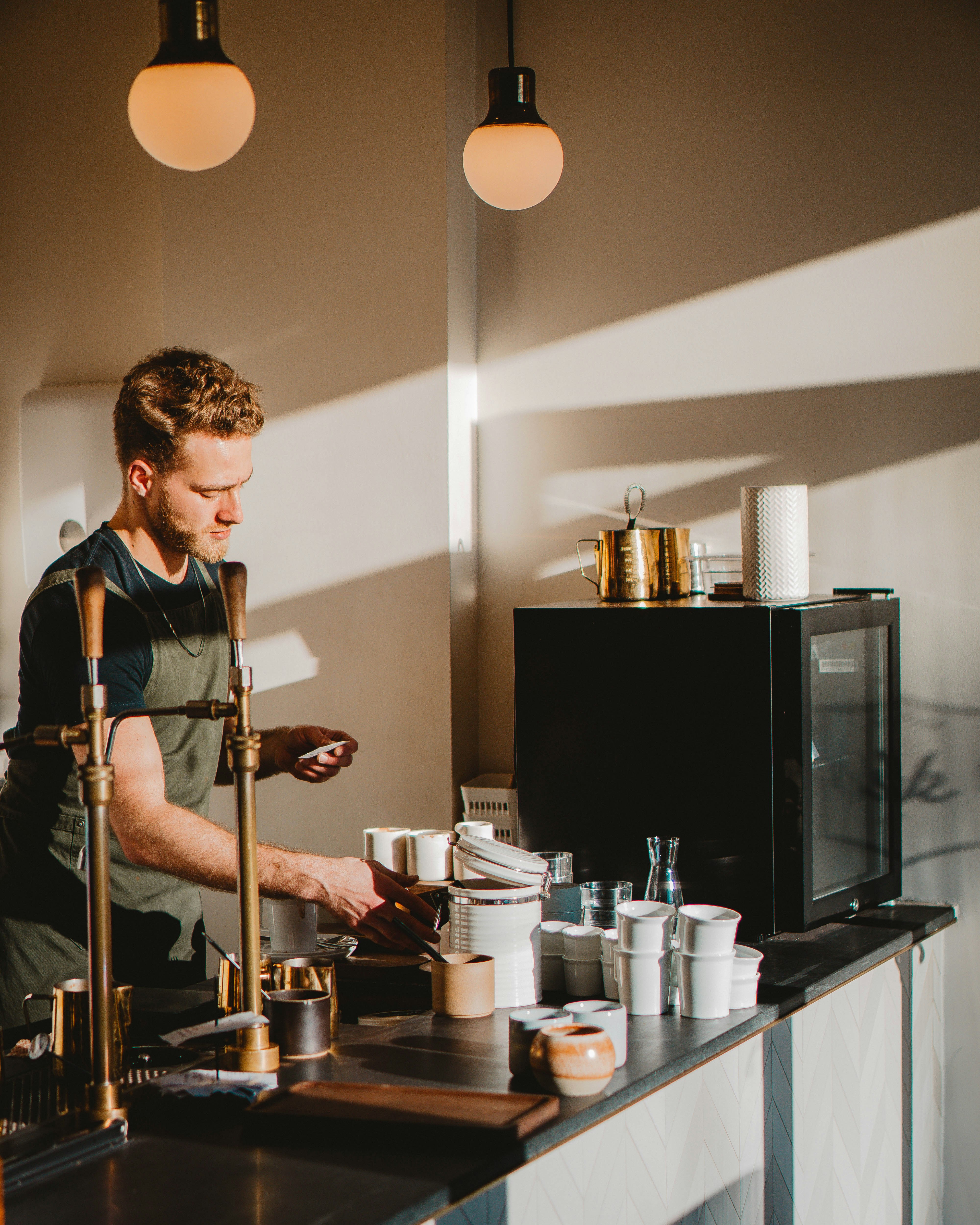
A two-group espresso machine with a pair of grinders, water filtration, knock drawer, fridge and smallwares can easily cost £9,000 to £22,000 before the first coffee is poured. For a new cafe, kiosk or hospitality venue upgrading its coffee offer, that is a serious amount to part with upfront when rent, stock, wages and fit-out bills are already pulling cash in every direction. The question is not just whether the machine can be funded. It is whether the rest of the setup can sit alongside it on the same agreement or whether parts of the package need a different route. That matters because it affects the monthly payment, the amount of cash you keep back and how cleanly the deal can be placed. This guide will help you understand what barista equipment finance is, what can usually be included with the machine and where the lines normally sit.
What is barista equipment finance?
Barista equipment finance is funding used to spread the cost of the coffee setup rather than paying for every item in cash upfront. In practical terms, that can mean the espresso machine, grinders, water filtration, under-counter refrigeration, blenders, ice machine, till hardware, knock drawers, milk systems or other trade kit being funded over an agreed term. The exact route is usually a form of asset finance, most often hire purchase or finance lease, depending on whether ownership matters at the end and how the business wants to manage cash flow.
It matters because a barista setup is rarely just one machine in isolation. If the grinder is wrong, the filtration is missing or the milk storage is poor, the whole coffee offer suffers. That is why owners ask whether the wider package can go on the same agreement. In many cases it can, provided the items are on the supplier quote and make clear commercial sense as part of the trading setup.
How does barista equipment finance work?
1. You start with a proper supplier quote. That should show the machine and everything else you want to include, from grinders and filtration through to milk fridges or EPOS if the same supplier is providing them. A clean quote is one of the biggest factors in whether the full package can be looked at together.
2. The business and the equipment are assessed together. Lenders want to know who is buying the kit, how established the business is and whether the monthly payment fits the trading profile. They also want to see that the equipment is genuine trade equipment rather than a loose mix of unrelated costs.
3. The structure is matched to the goal. If you want to own the equipment long term, hire purchase may be the cleaner route. If you are more focused on lower monthly cost and flexibility around refresh, finance lease may be more suitable. If the package also includes softer opening costs that do not sit neatly on a supplier invoice, that may push part of the requirement toward business loans instead.
4. Once approved, the lender pays the supplier and the business repays monthly over the agreed term. That means the full barista package can be installed and trading before the business has paid the entire cost itself.
5. If you are still at the early comparison stage, it can be worth starting with the quick eligibility checker before submitting a full pack. That helps you sense-check the requirement without going straight into a deeper application.
Who is barista equipment finance suitable for?
This can suit first-time cafe operators, kiosks, coffee vans, bakeries adding espresso service, delis upgrading their coffee offer and established hospitality businesses refitting the bar area. It is especially relevant where the coffee setup is central to revenue rather than a minor add-on. If the machine and the supporting kit are expected to earn every day, spreading the cost can make more sense than draining the account upfront.
It also suits multi-site operators refreshing several venues on a cycle, provided the supplier paperwork and business profile are strong. Newer businesses may still be considered, but the terms or lender appetite can look different from an established operator with filed accounts and clean bank history. The stronger the quote, the clearer the launch plan and the more sensible the monthly payment looks against expected trade, the more credible the case becomes.
What does barista equipment finance do for my business?
From your side, the biggest benefit is that it protects cash where it matters most. Instead of putting £12,000 or £18,000 into the coffee setup all at once, you can keep more money in the business for stock, staffing, deposits and the early trading period. That can be the difference between opening with breathing room and opening already under pressure.
It also helps you build the setup properly. When owners pay everything upfront, there is often a temptation to buy the headline machine and cut corners on the items around it. Financing the wider package can mean you install the grinders, filtration and service kit that the machine actually needs, rather than trying to bolt them on later. In practical terms, it gives you a cleaner launch, steadier budgeting and more confidence about taking on the full package rather than the minimum workable version.
Benefits of barista equipment finance
- Preserves cash flow: You spread the cost of the machine and support kit and keep more money inside the business for opening and trading.
- Funds the full setup: The machine can often sit alongside grinders, filtration and other trade items on one agreement if the quote is structured properly.
- Improves drink consistency: Financing the right supporting kit means the machine is not expected to perform without the filtration, grind quality or refrigeration it needs.
- Makes budgeting predictable: A monthly payment is usually easier to plan around than a large one-off hit before the venue has built stable revenue.
- Gives route choice: You can compare hire purchase, finance lease and wider asset finance rather than forcing every project into one structure.
Things to consider
- Not every cost can sit together: Trade equipment usually fits more cleanly than rent, staffing or contractor spend, so some projects need more than one route.
- Total repayment is higher than cash: The benefit is protecting liquidity, but the overall cost over the full term will usually be more than paying everything upfront.
- The end-of-term position matters: If you use finance lease rather than hire purchase, the ownership outcome is different and should be clear before you sign.
Barista equipment finance options compared
Hire purchase is often the simplest route where the business wants to own the coffee setup at the end of the term. That can suit owner-operators who expect to keep the machine, grinders and support kit for years and want a clear path to title once the agreement finishes.
Finance lease can suit operators who care more about keeping monthly cost manageable and staying flexible about refresh cycles. If the plan is to upgrade the coffee offer again in a few years, lease can be worth comparing.
Asset finance is the wider category covering these equipment-led routes. It is often the best place to start when the package includes several linked barista items on one supplier quote and the aim is to fund the lot cleanly.
Business loans come into the conversation when the requirement goes wider than the physical coffee package. If the opening budget also includes stock, launch marketing, wages or general working capital, a broader route may fit part of the requirement better than a pure equipment agreement.
Worked examples
Single-site launch package
A new neighbourhood cafe needed a two-group machine, two grinders, water filtration, under-counter milk fridge, blender and small barista accessories from the same supplier. The owner wanted to avoid spending the full amount in cash before opening week.
Finance amount: £14,500 over 48 months, indicative monthly payment around £333
This kept more cash free for stock, staffing and the usual launch contingency.
Multi-site coffee refresh
An established bakery group was upgrading the coffee offer across two sites and needed new machines, grinders, filtration and front-counter refrigeration. The business wanted the package installed together rather than replacing items one by one.
Finance amount: £31,000 over 60 months, indicative monthly payment around £703
This allowed both sites to trade with a stronger setup without a heavy hit to working capital.
Illustrative only, based on representative APR and subject to lender assessment.
What lenders look for
Lenders want to see a clear supplier quote, a sensible business story and a monthly payment that fits the trading profile. If the business is already trading, bank conduct and trading history matter. If it is a startup, they will look more closely at the owner experience, the launch plan and whether there is enough cash going into the project alongside the finance.
The equipment itself matters too. A mainstream commercial machine and grinder package from a recognised supplier is usually easier to place than a loose wish list made up of mixed retail items. Deposit position can also help, especially on newer businesses, although it is not a fixed rule for every case. What moves a deal faster is simple: the quote is clean, the supplier is clear, the business details are ready and the request makes commercial sense. That is very achievable when the application is prepared properly.
Not sure whether you'd qualify?
Check your eligibility in 2 minutes — no credit search at this stage.
Check EligibilityAlternatives to barista equipment finance
Sometimes the narrow coffee route is the right answer. If the requirement is mainly the espresso machine and core barista kit, it makes sense to compare the project directly with the main coffee machine finance page rather than stretching into a broader structure. That is often the cleanest route when the supplier is providing the full coffee package on one quote.
In other cases, the barista setup is only one part of a wider opening plan. If the site also needs furniture, contractor spend, deposits and working capital, then a broader route through business loans may suit part of the requirement better. Trade equipment can sit under asset finance, while softer launch cost sits somewhere else. If you are still early-stage, the quick eligibility checker can be a useful first step before you decide which route deserves the full application.
Frequently asked questions
Can grinders be included on the same agreement as the espresso machine?▾
Very often, yes. Grinders are usually seen as a core part of the coffee setup rather than an unrelated add-on. If they are on the same supplier quote as the machine, they are commonly included together. That is one of the cleanest examples of barista equipment finance working as a package rather than one item on its own.
Can water filtration be funded as well?▾
Usually yes, especially where it is specified as part of the machine installation. Filtration is not just a nice extra. It protects the machine and supports drink consistency, so lenders generally understand why it belongs in the setup. As long as it is properly quoted and part of the commercial package, it is often fundable alongside the machine.
What about counters, under-counter fridges and front bar equipment?▾
Sometimes they can be included, but it depends on how the quote is built and who is supplying them. If the items are supplied trade assets on the same quote, the chances are much better. If they are part of a wider builder invoice or mixed fit-out figure, the route may be less straightforward. That is often where a project needs either a split structure or a broader funding conversation.
Can a new cafe get barista equipment finance?▾
Yes, sometimes. A new business is not automatically excluded, but the case usually needs to be presented more carefully than an established operator would need. Lenders will want to understand the people behind the business, the launch plan, the deposit position and whether the monthly repayment looks sensible. A clean supplier quote and relevant hospitality experience help a lot.
Is hire purchase or finance lease better for a barista package?▾
That depends on what matters more to you. Hire purchase is often better where ownership at the end matters and you expect to keep the setup for a long time. Finance lease can be better where lower monthly pressure and flexibility matter more than ownership. The right answer depends on how you plan to use and refresh the equipment over time.
Can cups, stock and consumables go on the same finance agreement?▾
Usually not. Lenders are generally more comfortable with durable business assets than with short-life consumables. Coffee beans, milk, takeaway cups and cleaning stock are trading cost rather than funded equipment. If the project also needs working capital for those items, that may be where a broader route through business loans comes into the conversation.
How quickly can barista equipment finance be arranged?▾
Straightforward cases can move quickly when the quote is clear and the business details are ready. Established operators buying from recognised suppliers usually have the smoothest path. Startups or mixed packages can take longer because there is more for the lender to understand. The cleaner the paperwork, the faster the process tends to be.
What should I do if I am not sure whether the full package will fit one agreement?▾
Get the quote built properly first. That sounds simple, but it is often the difference between a clean funding conversation and a messy one. If you can show which items are part of the barista setup and which items sit elsewhere in the launch budget, it is much easier to judge the right route. Looking at funding examples and running an early eligibility check can help before you commit.