- Introduction
- What is hospitality equipment finance?
- How does hospitality equipment finance work?
- Who is hospitality equipment finance suitable for?
- What does hospitality equipment finance do for my business?
- Benefits of hospitality equipment finance
- Things to consider
- Hospitality equipment finance options compared
- Worked examples
- What lenders look for
- Alternatives to hospitality equipment finance
- Frequently asked questions
- You might also find useful
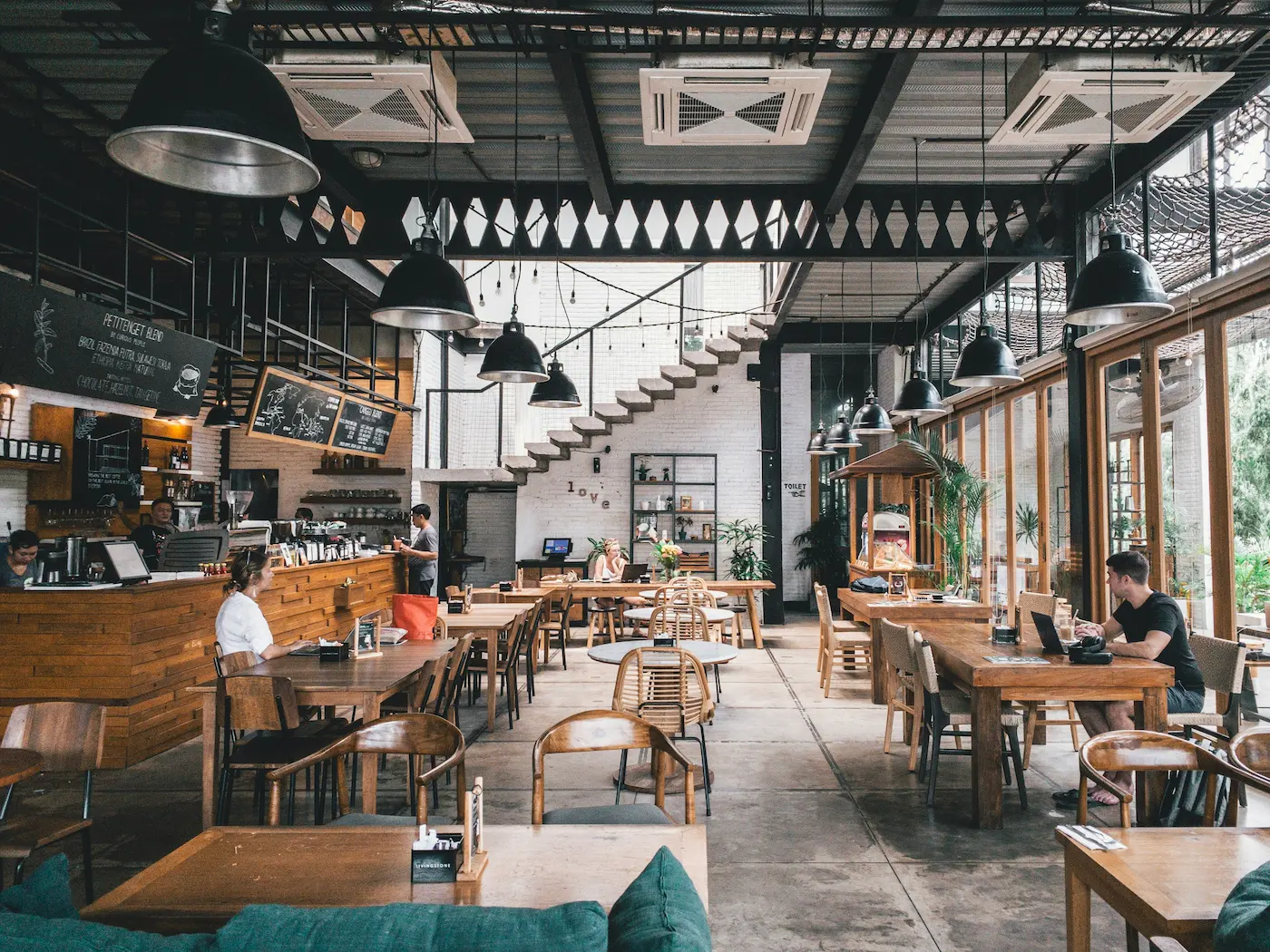
A starter kitchen fit-out can easily cost £15,000 to £60,000 before stock, rent deposit, staff training and the first utility bill are even paid. For a new hospitality business, that is exactly why finance comes into the conversation so early. Most owners do not fail because the concept is weak. They run into pressure because too much cash disappears before the doors open. Equipment finance can help spread the cost of ovens, fridges, prep counters, dishwashers, extraction, bar kit and specialist items like espresso machines, so launch cash is not swallowed in one go. That matters whether you are opening a first cafe, a small restaurant, a takeaway, a bakery or a food-led venue inside a wider leisure site. The point is not to buy things you do not need. It is to keep enough cash in the business to survive the first months properly. This article will help you understand when hospitality equipment finance can work for a new business, how lenders assess it and what realistic alternatives exist if the fit is not right.
What is hospitality equipment finance?
Hospitality equipment finance is a way to spread the cost of business-critical equipment instead of paying the full amount upfront. In practice, that usually sits under the wider heading of asset finance. The equipment supplier provides the quote, the lender or broker helps fund the purchase, and the business repays the cost over a set term. The equipment itself might include kitchen kit, refrigeration, extraction, furniture, EPOS, glasswashers, prep equipment or front-of-house items. If the venue has a coffee offer, that may also include a machine package, which is why some owners compare the wider route with coffee machine finance as well.
For a new hospitality business, this matters because opening costs arrive all at once. A venue rarely needs just one asset. It needs a working environment. Paying everything in cash can leave very little room for the problems that almost always appear before and after launch. Finance does not remove the cost. It changes the timing of the cost. For the right business, that can be the difference between opening with headroom and opening already under strain.
How does hospitality equipment finance work?
The process is usually more practical than people expect. The lender is not guessing what a venue might need. They want to see the actual equipment list, the supplier, the amount being funded and the profile of the business behind it. For a new business, the deal often turns on how credible the launch is and how clearly the owner can explain the plan.
1. You gather the supplier quotes. That might be one bundled kitchen package or separate quotes for refrigeration, cooking line, bar kit and front-of-house items. 2. You explain the business itself. That means the trading structure, where the venue is, what stage the fit-out is at and who is behind it. 3. The lender or broker looks at the funding route. A business that wants to own the equipment might compare hire purchase with a finance lease. A wider project may also justify a full application for a broader funding package. 4. The lender underwrites the case. For a new business, that often includes the directors, the deposit position, bank conduct and whether the numbers make commercial sense. 5. If approved, documents are signed and the supplier is paid. The equipment is then delivered or installed, and the business starts making monthly payments over the agreed term.
Who is hospitality equipment finance suitable for?
It can suit new cafes, coffee shops, bakeries, casual dining venues, takeaways, bars, mobile food businesses and hospitality operators opening a second site under a new company. It is often strongest where the owner has relevant experience, the venue is close to launch and the equipment list is clear. A lender is far more comfortable funding a realistic opening package than a vague idea with no supplier quotes and no clear timetable.
It can also work for franchisees and first-time operators with a strong background in the trade. That said, newer businesses usually face tighter criteria than established ones. The term may be shorter. A deposit may help. Personal support may be required in some cases. If the business is pre-revenue, the quality of the case matters more. That does not mean a startup is unsuitable. It means the application has to be better prepared.
What does hospitality equipment finance do for my business?
From the owner's point of view, the biggest benefit is simple. You keep more cash in the business at the point when cash matters most. Instead of writing one large cheque for everything, you turn part of that launch cost into fixed monthly payments. That can leave money available for fit-out overruns, early wages, food and drink stock, licensing costs, marketing and the normal delays that happen around launch.
It can also help you open with the right kit rather than the cheapest kit. That matters in hospitality. Poor refrigeration, weak extraction or a low-grade coffee setup can drag down service and gross profit very quickly. Finance can help a new operator buy equipment that is genuinely fit for purpose without wrecking opening cash flow. In plain terms, it buys breathing room and can make the first six months easier to manage.
Benefits of hospitality equipment finance
- Preserves launch cash: Instead of spending £30,000 to £50,000 upfront on equipment, you spread the cost and keep cash for rent, stock, payroll and the early trading period.
- Helps you buy the right kit: A venue can open with commercial-grade equipment rather than cutting corners on the items that affect service speed and reliability every day.
- Creates predictable payments: Fixed monthly costs are easier to plan for than large one-off purchases when turnover is still bedding in.
- Can cover bundled packages: If the supplier is providing a joined-up package, finance can often support the wider requirement rather than forcing you to split every item out.
- Supports faster launch timing: If the site is ready and the equipment is the last major cash hurdle, finance can help keep the opening date on track.
- Leaves room for the unexpected: Hospitality launches nearly always bring last-minute cost pressure. Keeping cash back gives you a better chance of handling it calmly.
Things to consider
- Total cost over the term: Finance helps cash flow, but it can cost more overall than paying cash. You should weigh that against the value of keeping money inside the business at launch.
- Commitment to payments: The venue has to service the monthly payment whether trade is strong in month one or not. The payment needs to sit at a level the business can realistically handle.
- End-of-term position: Not every structure ends with outright ownership. You need to know whether you own the equipment, keep using it, or return it before choosing a route.
- Startups are judged differently: A new business can get funded, but terms and criteria may be stricter than they would be for an established operator with two years of accounts.
Hospitality equipment finance options compared
Hire purchase is often the most straightforward route if you want to own the equipment at the end. The agreement spreads the cost over a fixed term and usually suits core kit you expect to use for years, such as ovens, refrigeration, extraction or a full prep line. For a new hospitality business, it can make sense where the equipment has a long working life and ownership matters.
Finance lease can be useful where monthly cost and flexibility matter more than outright ownership. This is often worth a look if the package is broad, the opening budget is tight and the priority is preserving as much cash as possible. It can also suit businesses that may want to refresh equipment again in a few years rather than keep every item for the long term.
A business loan can sometimes be the better route when the spend is wider than equipment alone. For example, if a new operator needs to buy kitchen kit, carry out a small fit-out, cover signage and hold some extra working capital, a single business funding line may be more practical than trying to fit every cost into one asset-led agreement. That is where comparing the asset-led route with a full application can be worthwhile.
Supplier-backed routes can also come into play, especially where the equipment supplier regularly works with hospitality businesses and can present a clean package. That does not automatically make it cheaper. It just means the paperwork and delivery flow can be simpler. It is still worth comparing the quote against a wider asset finance search so you know whether the structure and pricing are actually competitive.
| Structure | Own it at end? | Monthly cost | Flexibility | Best for |
|---|---|---|---|---|
| Hire Purchase | Usually yes | Medium | Medium | Core kitchen kit |
| Finance Lease | Usually no | Often lower | Good | Cash-sensitive launches |
| Business Loan | Depends | Varies | High | Equipment plus wider spend |
| Supplier-backed finance | Varies | Varies | Medium | Bundled supplier packages |
Worked examples
Neighbourhood cafe launch
A first-time cafe operator with ten years of barista and management experience needed an espresso machine, two grinders, refrigeration and light prep equipment before opening. The venue was fitted out, the lease was signed and the supplier package was ready to go, which made the case easier to assess.
Finance amount: £14,500 | Term: 48 months | Indicative monthly payment: from £372
This preserved cash for stock, the first payroll run and the rent period before trade settled down.
New restaurant kitchen package
A new restaurant opening in a secondary town centre site needed a cooking line, refrigeration, extraction, stainless prep areas and a dishwasher package. The owner had strong sector experience and a meaningful cash contribution, but did not want to strip the business account before launch.
Finance amount: £42,000 | Term: 60 months | Indicative monthly payment: from £895
This left enough headroom for front-of-house wages, opening stock and early trading volatility.
Illustrative only, based on representative APR and subject to lender assessment.
What lenders look for
For a new hospitality business, lenders usually start with the people behind the deal. They want to know whether the owners have relevant experience, whether the venue is genuinely progressing and whether the funding request makes sense. A clean supplier quote helps. A clear equipment list helps. Bank conduct matters as well, because it gives a view of how the business or directors handle money before the site is trading in full.
They will also look at the equipment itself. Standard hospitality kit from a known supplier is easier than unusual second-hand items with unclear value. A deposit can strengthen the case, though it is not always essential. The quality of the supplier matters too, because lenders are more comfortable paying established suppliers with clear paperwork and delivery terms. If you want the case to move faster, have the quote ready, explain what the venue is, be honest about where the project is up to, and show how much money is already committed. A well-prepared application is very achievable, even for a new business, if the story is clear and commercially sensible.
Check your eligibility in 2 minutes - no credit search at this stage.
Check your eligibilityAlternatives to hospitality equipment finance
Sometimes a different route is better. If the main spend is a coffee setup rather than a full venue package, comparing the wider route with coffee machine finance is sensible. If the spend is mainly kitchen and back-of-house kit, restaurant equipment finance may be the more direct fit. And if the real requirement goes beyond equipment into fit-out, marketing, staffing and working capital, a broader business funding route may be stronger than forcing every cost into one asset-led agreement.
A good example would be a new cafe owner taking on a shell unit. If the project needs kitchen equipment, front-of-house furniture, signage and extra opening cash, a blended approach may make more sense than a pure equipment line. That is why it helps to compare product pages like asset finance and, where needed, move into a fuller application rather than assuming one route must cover everything.