- What is gym equipment finance?
- How does gym equipment finance work?
- Who is gym equipment finance suitable for?
- What does gym equipment finance do for my business?
- Benefits of gym equipment finance
- Things to consider
- Gym equipment finance options compared
- Worked examples
- What lenders look for
- Alternatives to gym equipment finance
- Frequently asked questions
- You might also find useful
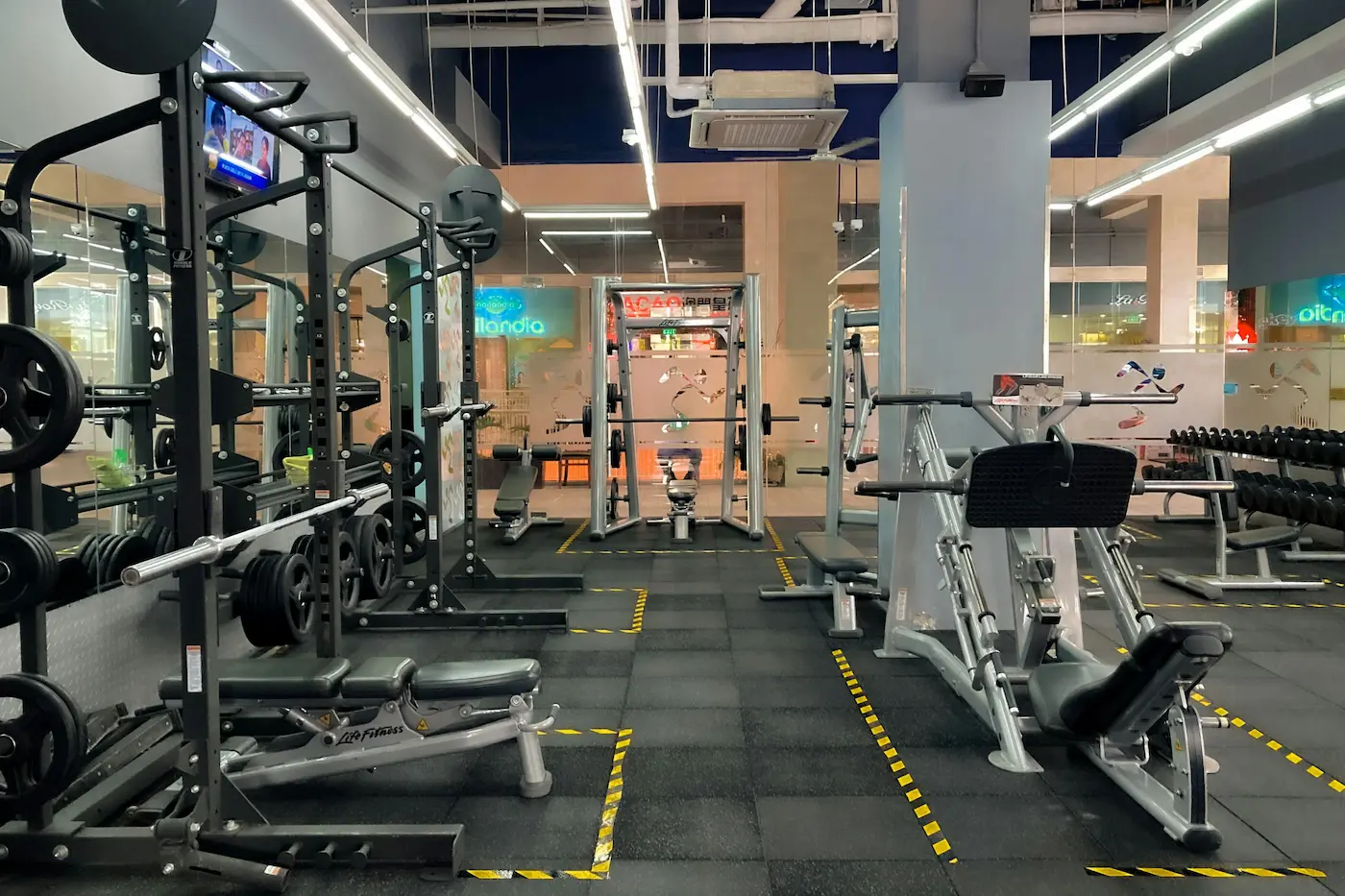
A single commercial treadmill can cost £4,000 to £9,000 before delivery and installation. For a new fitness studio, that is only one line on the launch budget. Add bikes, racks, cable machines, benches, dumbbells, flooring, mirrors, software, signage and working capital, and a modest studio can quickly reach £40,000 to £120,000 before the first member walks through the door.
Paying for all of that from cash can leave the business exposed during the opening months, when rent, wages and marketing are already running. Finance is worth considering because the equipment should help create income over several years. The cost does not always need to land on day one. It also helps separate equipment costs from fit-out costs, because lenders may treat those very differently.
This guide explains gym equipment finance UK options, what lenders look for, and how to fund a studio launch without leaving the business short of cash.
What is gym equipment finance?
Gym equipment finance is a way for a business to spread the cost of commercial fitness equipment over an agreed term. The lender funds the equipment at the start, and the studio makes regular payments while using the kit in the business. It can cover treadmills, bikes, rowers, racks, benches, strength machines, free weights, functional rigs and some specialist studio equipment. The exact route depends on the asset, the supplier, the business profile and whether ownership matters at the end.
For a new fitness studio, this matters because equipment is usually needed before revenue begins. A gym cannot open properly with half a kit list. Members expect reliable machines, enough stations and a professional training environment from the first week. Gym equipment finance helps match the cost of the kit to the income it is expected to support, instead of forcing the owner to drain launch cash before trading has settled.
How does gym equipment finance work?
Step one: you choose the equipment and get a formal supplier quote. This should show the asset list, model names, quantities, delivery, installation and VAT. If the quote includes non-equipment costs, split them out clearly.
Step two: you give the broker or lender the background. For a new studio, that usually means explaining the premises, launch date, owner experience, deposit position and how the equipment will support revenue. Established gyms may also provide recent accounts or management figures.
Step three: the finance route is compared. Hire purchase may suit equipment you want to own. Finance lease may suit a studio that wants lower upfront cost and flexibility. Wider asset finance may be reviewed if the package has several equipment types.
Step four: the lender assesses the case and, if approved, documents are issued. Once signed, the supplier is paid and the equipment is delivered or installed. The studio then makes monthly payments over the agreed term.
Who is gym equipment finance suitable for?
Gym equipment finance can suit independent gyms, boutique fitness studios, personal training studios, Pilates studios, CrossFit-style boxes, strength facilities, yoga and recovery studios, hotel gyms and wellness operators. It is often used for new launches, second sites, equipment upgrades, member capacity increases or replacing tired kit before it starts damaging the customer experience.
It can work for established businesses and, in some cases, new studios. Newer businesses may face different terms because there is less trading history for a lender to assess. That does not make the case impossible, but it does mean the details matter more. Relevant sector experience, a sensible deposit, a clear equipment list and a realistic opening budget can all help. If the launch relies on borrowing every pound with no spare cash, the options may be more limited.
What does gym equipment finance do for my business?
Gym equipment finance helps you open with the right kit while keeping cash available for the parts of the launch that finance may not cover. That can include rent, staff, software, marketing, insurance, signage, changing rooms and the normal surprises that come with opening a site. Instead of using every pound on equipment, you can keep working capital in the business.
It also helps with planning. A fixed monthly payment is easier to budget for than a large upfront equipment bill. If the studio grows, finance can support extra machines, more strength stations or a second training zone without waiting months to save the cash. For a new studio owner, the real benefit is control. You can match the equipment spend to your launch plan and member growth, rather than letting the kit list dictate your cash position.
Benefits of gym equipment finance
- Preserves launch cash: Instead of spending £60,000 upfront, you spread the cost and keep money available for rent, staff, marketing and early trading.
- Helps you open properly: A studio needs enough kit from day one. Finance can help avoid launching with gaps that weaken the member experience.
- Creates predictable budgeting: Monthly payments make it easier to plan cash flow while memberships build.
- Supports quality equipment: Commercial-grade kit can cost more, but it is often more suitable for heavy use than cheaper home-style equipment.
- Can fund multi-item packages: A studio launch may include cardio, strength and functional equipment from one or more suppliers.
- Leaves room for growth: Keeping cash in the business can help you respond if membership demand is higher than expected.
Things to consider
- Total cost over the term: Spreading the cost helps cash flow, but it usually costs more than buying outright. Compare the full amount payable.
- Payment commitment: Payments continue even if membership growth is slower than planned, so the launch forecast needs headroom.
- Ownership position: Some structures lead to ownership. Others focus on use and flexibility. Know what happens at the end before you sign.
- Fit-out costs: Flooring, mirrors, decoration and rent deposits may not fit cleanly into equipment finance. They may need separate funding.
Gym equipment finance options compared
Hire purchase is often chosen when the studio wants to own the equipment at the end. It can suit durable commercial kit such as treadmills, racks, cable machines and strength equipment. Payments are usually fixed, and ownership normally transfers once the agreement has been completed and any option fee is paid.
Finance lease can suit businesses that want to use the equipment without making ownership the main priority. It may help reduce upfront cost and preserve cash during launch. The end-of-term position can vary, so it should be explained before signing.
A business loan can be useful where the project includes more than equipment. For example, a studio may need funding for flooring, mirrors, website work, branding, staffing, changing rooms and launch marketing. A loan can be more flexible, but lenders will focus heavily on affordability and the overall business plan.
A mixed funding package can work where equipment is the largest cost but not the only cost. The equipment may be funded through asset finance, with a separate route for working capital or fit-out items. This can be cleaner than trying to force every cost into one product that does not quite fit.
The right choice depends on the launch plan. If you are opening a strength studio with a long-term equipment list, ownership may matter. If you are opening a boutique class studio and expect to refresh kit over time, flexibility may matter more. The best comparison looks at cash flow, end position, total cost and what the lender is actually prepared to fund.

Worked examples
Boutique strength studio launch
A new studio is opening with racks, benches, plates, dumbbells, cable equipment and cardio machines. The owner has covered the lease deposit and wants to keep cash available for staff, software and launch marketing.
Finance amount: £58,000. Term: 60 months. Indicative monthly payment: £1,270.
This preserves launch cash while allowing the studio to open with a full commercial equipment list.
Second-site fitness studio
An established operator is fitting out a second site with cardio, resistance machines and functional training kit. The first site trades well, but the owner does not want the new location to drain cash from the existing business.
Finance amount: £92,000. Term: 60 months. Indicative monthly payment: £1,995.
This enables the second site rollout while keeping the original studio’s cash flow stable.
Illustrative only, based on representative APR and subject to lender assessment.
What lenders look for
Lenders want to understand the studio, the equipment and the person behind the launch. They will look at trading history where it exists, recent bank conduct, the supplier quote, the equipment type and whether the monthly payment looks affordable. For a new studio, they may place more weight on the owner’s sector experience, deposit position, lease terms and opening plan.
The equipment itself matters too. Commercial-grade kit from recognised suppliers is usually easier to assess than unknown brands or second-hand bundles with weak paperwork. A deposit can help, especially where there is no trading history yet. Cases move faster when the quote is clear, the launch budget is realistic and the business owner can explain how memberships will support payments. A well-prepared application is not complicated; it just needs the right information in the right order.
Check your eligibility in 2 minutes — no credit search at this stage.
Check your eligibilityAlternatives to gym equipment finance
Gym equipment finance is strongest when the main cost is commercial fitness kit. If the launch spend is mostly flooring, changing rooms, signage, branding, marketing or rent deposits, a broader business loan may be more suitable. That is because those costs do not always have clear asset value for a lender.
For example, a studio spending £45,000 on equipment and £35,000 on fit-out may need two routes. The machines and strength kit could sit under gym equipment finance, while the fit-out and working capital may need a wider funding product. If you already know the numbers, you can apply for finance. If you want an early steer first, start with the eligibility checker before committing time to a full application.
Frequently asked questions
You might also find useful
How asset finance works
Read this guide →Hire purchase vs leasing
Read this guide →Funding equipment for SMEs
Read this guide →If you want the live product view as well, compare this guide with gym equipment finance, hire purchase, finance lease, asset finance and real funding examples.