- Introduction
- What is mini excavator finance?
- How does mini excavator finance work?
- Who is mini excavator finance suitable for?
- What does mini excavator finance do for my business?
- Benefits of mini excavator finance
- Things to consider
- Mini excavator finance options compared
- Worked examples
- What lenders look for
- Alternatives to mini excavator finance
- Frequently asked questions
- You might also find useful
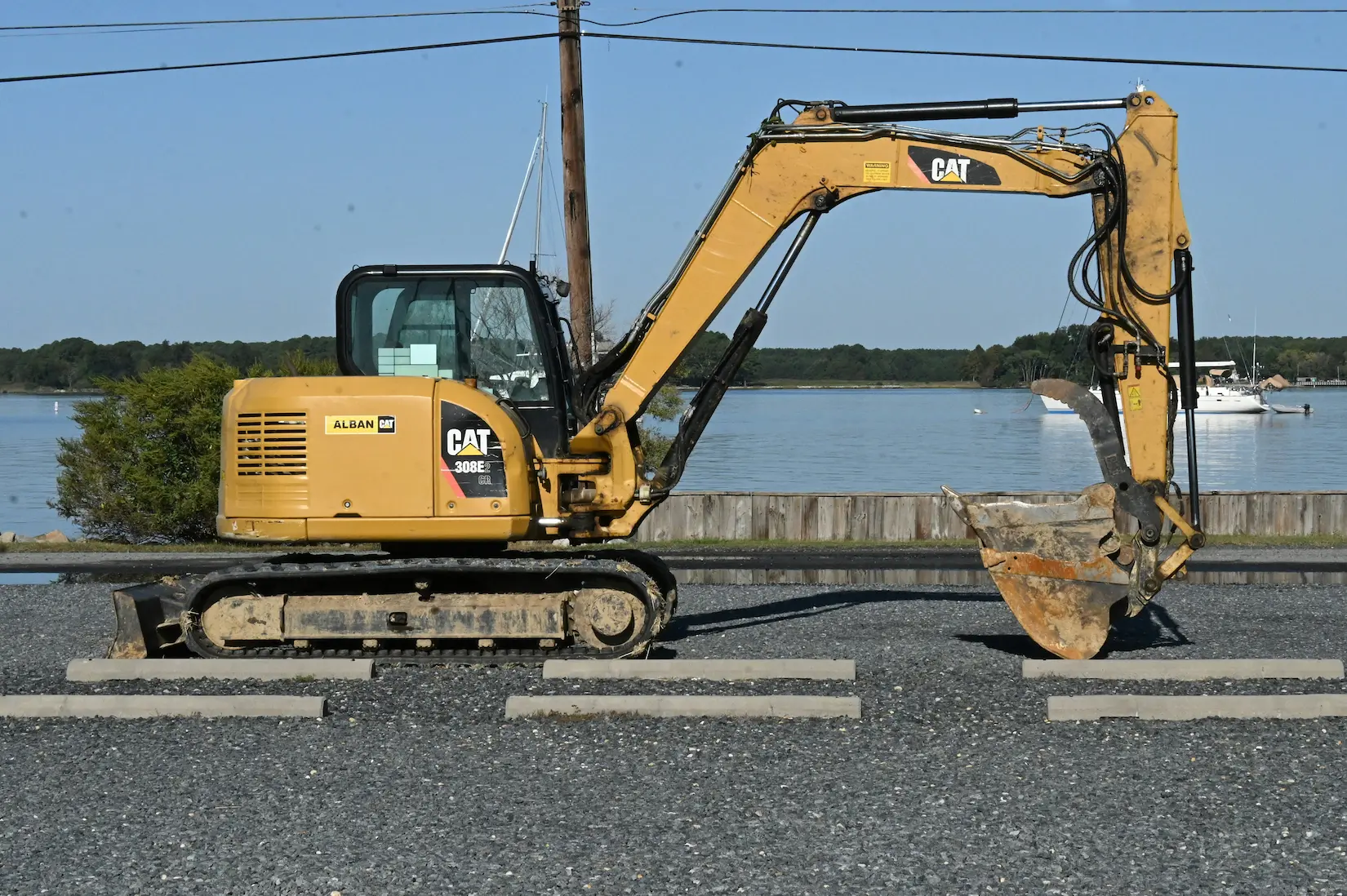
A new 1.7 to 3 tonne mini excavator can easily cost £18,000 to £35,000 before extra buckets, a quick hitch or delivery are added. For a small contractor, groundworker or landscaping firm, that is a serious spend to take out of the bank in one hit. The machine may be needed because work has landed now, not because cash is sitting idle waiting for the right moment.
That is why finance is worth looking at. A mini excavator usually earns by helping you start jobs faster, dig more efficiently and avoid paying other firms to do work you could bring in-house. Paying cash is sometimes fine, but it can also leave you tighter on wages, fuel, VAT, repairs and the usual gaps between invoice dates and actual payment dates. This guide will help you understand how mini excavator finance works, which structures to compare and what lenders are likely to ask for.
What is mini excavator finance?
Mini excavator finance is a way to buy a compact excavator without paying the full supplier invoice upfront. The lender pays the supplier, or funds the machine purchase, and your business repays the cost through monthly payments over an agreed term. The excavator can be new or used, and the package can often include buckets, quick hitches and some attachments if they sit on the same quote. In practice, most firms compare hire purchase with finance lease, but the right route depends on whether ownership matters, how long you expect to keep the machine and how much headroom you want in cash flow.
That matters in construction because a mini excavator is rarely a nice extra. It is usually tied to drainage, foundations, utilities, landscaping, paving, trenching or clearance work that has to happen on a live schedule. For many SMEs, paying cash would mean less room for payroll, fuel, insurance, haulage, small tools and the other day-to-day cost of running sites. That is where construction equipment finance becomes useful. It lets the machine start earning while the cost is spread over time.
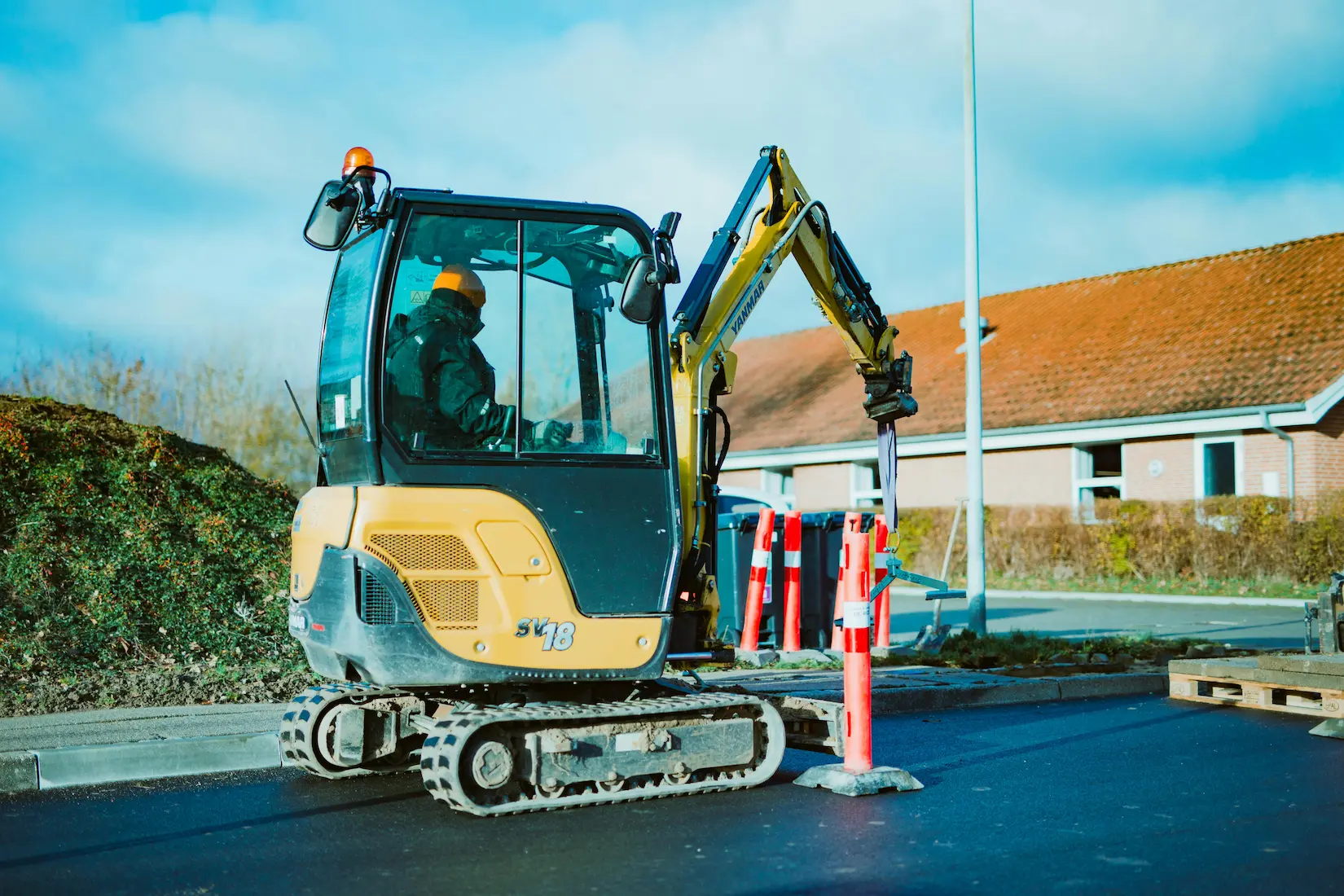
How does mini excavator finance work?
Step one: you choose the machine and get a proper quote. That means the make, model, year if used, hours, supplier, price and any extras such as buckets, hitch, breaker or auger kit. A clear quote saves time because the lender can see exactly what is being funded and who is supplying it.
Step two: you make an enquiry or complete an application. At this point you will usually be asked about the business, how long it has traded, the amount needed, the preferred term and whether you want to put down a deposit. If the excavator is being bought for a specific contract or workload increase, say that clearly. It helps the case make commercial sense.
Step three: the lender reviews both the business and the plant. They look at trading history, bank conduct, affordability, the age and type of machine, the supplier and sometimes the resale strength of the asset. Newer businesses or older used machines may need a bit more explanation, but that is normal.
Step four: once approved, documents are signed and the supplier gets paid. The excavator is then delivered or collected, and the monthly repayments begin. From the business owner's point of view, the practical job is simple: choose the right machine, provide clean information and make sure the monthly cost fits comfortably with the way the business gets paid.
Who is mini excavator finance suitable for?
Mini excavator finance can suit groundworkers, general builders, civils subcontractors, utilities contractors, drainage firms, fencing businesses, landscapers, paving firms and small plant hire operators. It is especially relevant where the machine will be used regularly enough to justify a fixed monthly cost rather than repeated hire bills. It also works well for firms bringing digging work in-house instead of paying another contractor every time a trench, footing or clearance job comes up.
Established businesses are usually the cleanest fit because the lender can see trading history and bank conduct. Newer businesses can still be considered, but the terms or deposit expectations may look different. A startup contractor with strong site experience and a live pipeline can still be fundable. The main question is whether the excavator has a clear commercial use and whether the payment level is sensible for the work the business is doing.
What does mini excavator finance do for my business?
From the customer's side, the biggest benefit is simple. You get the machine now without emptying the bank to do it. That matters because construction cash flow is rarely smooth. Labour needs paying weekly, fuel and materials move fast, and many firms still wait too long for invoices to clear. Tying up £25,000 or more in one plant purchase can leave the rest of the business under pressure.
Finance also gives you more control over timing. If you need the excavator to start a new groundwork package next month, or to stop relying on hired-in kit, you do not have to wait until enough cash builds up. The monthly cost is known, the machine is on site and the work can move. That can mean taking on more contracts, keeping another crew productive and planning plant spend with fewer nasty surprises.
Benefits of mini excavator finance
- Preserves cash flow: Instead of putting £20,000 to £30,000 into one machine upfront, you spread the cost and keep cash free for wages, fuel, VAT and general site running cost.
- Gets the machine earning sooner: If the excavator is needed for live work, finance helps you put it on site now rather than waiting months to build up cash.
- Helps you buy the right spec: Owners paying cash sometimes cut back on the hitch, bucket package or attachment they really need. Finance can make the full working setup more realistic.
- Creates predictable monthly budgeting: A fixed payment is easier to plan around than a single large capital hit, especially when the business is balancing several jobs at once.
- Supports growth without hiring in forever: If you are repeatedly paying plant hire on the same type of work, owning or controlling your own mini excavator can improve margin over time.
- Keeps options open elsewhere: More cash stays in the business for trailers, tools, repairs and the kind of smaller spends that still matter on site.
Things to consider
- Total cost over the term: Finance protects cash flow, but you will usually pay more overall than if you bought the machine outright with spare cash.
- Commitment to repayments: The monthly payment still needs covering in quieter periods, so the term should fit the way the business actually trades, not just the best-looking quote.
- Ownership at the end: Some routes are built around eventual ownership and some are not. Make sure the end position suits how long you expect to keep the excavator.
- Used plant can bring extra questions: A late used machine from a dealer is one thing. Older kit with high hours or weak paperwork can narrow lender choice.
Mini excavator finance options compared
Most mini excavator deals sit under the wider asset finance umbrella, but the structure underneath still matters. The wrong route can leave you paying for something that does not fit how you use plant. The right route gives you the excavator, protects cash flow and ends in a way that makes sense for the business.
Hire purchase is often the first thing contractors compare because it is clear and practical. You spread the cost over a set term and, in most cases, the path to ownership is straightforward once the agreement ends. It tends to suit businesses that expect to keep the mini excavator for years and want the asset on the balance sheet in the long run.
Finance lease can be a better fit when the priority is use of the machine rather than ownership. It is often considered by firms that want to preserve more cash, keep the monthly shape competitive and stay flexible about what happens later. The key with lease-style structures is understanding the end position before signing, not after.
A business loan can be worth comparing when the spend is wider than the excavator itself. If the project also includes a trailer, mobilisation cost, insurance, wages or other non-asset spend, a plant-only agreement may not do the whole job. That does not make it better by default. It just means the broader route can sometimes fit the real requirement more honestly.
Worked examples
Single machine purchase
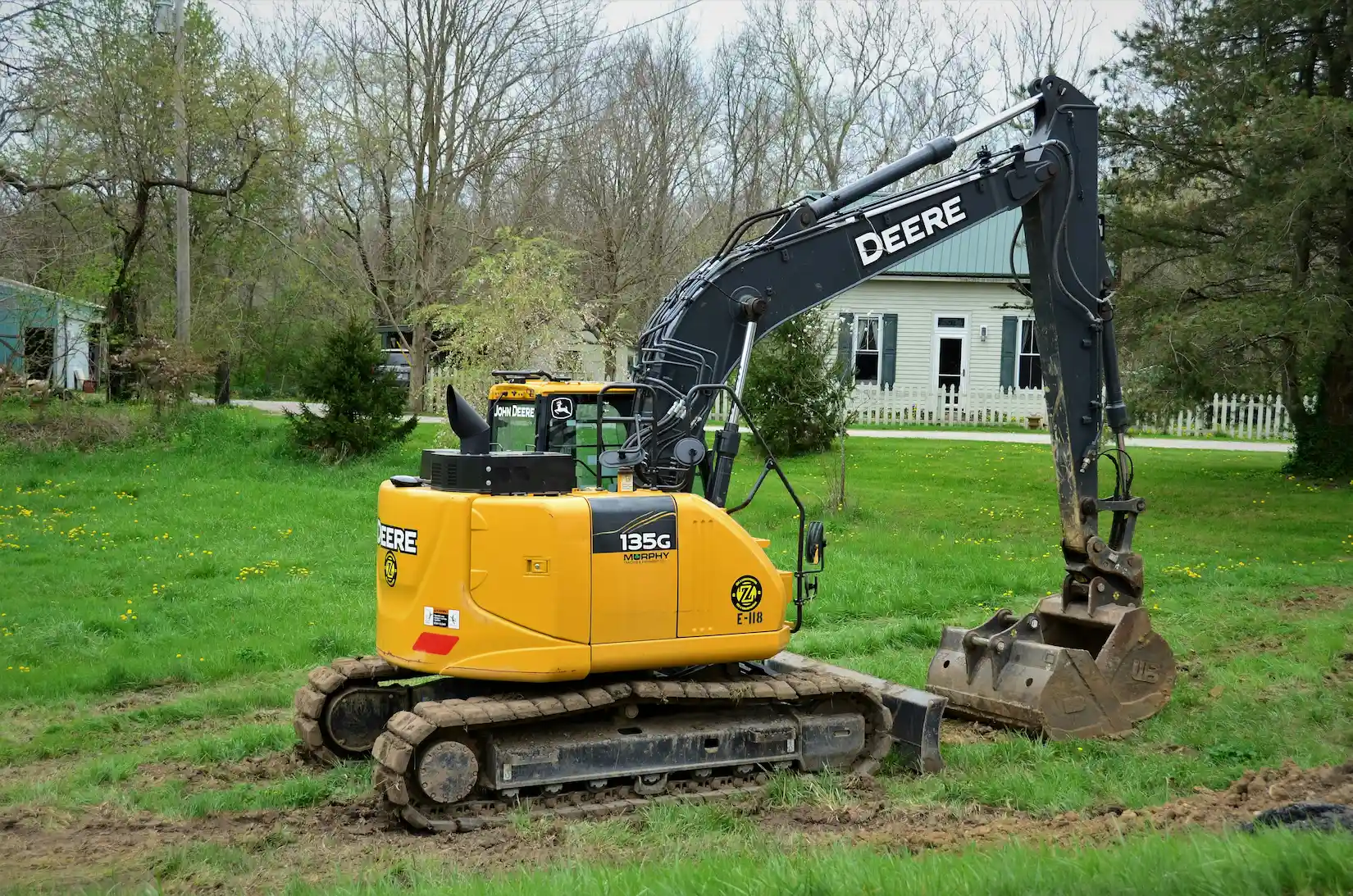
A groundworks contractor needed a late used 2 tonne mini excavator with three buckets and a quick hitch for drainage and footing work. The business wanted the machine on its own jobs instead of hiring in every time a small dig package came up.
Finance amount: £25,000 over 48 months, indicative payment from £621 per month.
This keeps more cash free for labour, haulage and VAT while putting the machine on site straight away.
Mini excavator with attachments package
A civils subcontractor won repeat trenching and utility work and needed a 3 tonne mini excavator, breaker, auger kit and bucket package from one supplier. The owner wanted the full setup ready for the next mobilisation, not a cut-down version that would slow the crew down later.
Finance amount: £42,000 over 60 months, indicative payment from £870 per month.
This preserves working capital for wages, fuel and site setup while still giving the team the plant package the contract needs.
Illustrative only, based on representative APR and subject to lender assessment.
What lenders look for
Lenders are usually checking whether the business can support the payment and whether the plant makes sense as security. Trading history matters because it shows how the firm behaves in the real world, not just on paper. Bank conduct matters too. A business that runs its account sensibly will usually have an easier conversation than one that is constantly under pressure.
The excavator itself also matters. Lenders will look at the age, hours, make, model and whether the machine is coming from a recognised supplier or dealer. If it is used, clearer paperwork helps. Deposit position can also strengthen a case, especially for newer businesses, but it is not a fixed rule every time.
What helps a deal move faster is simple: a clean quote, clear business details, honest answers about the work the machine will do and quick access to any bank statements or accounts the lender needs. A well-prepared application is very achievable when the case is built properly from the start.
Check your eligibility in 2 minutes — no credit search at this stage.
Check eligibilityAlternatives to mini excavator finance
Mini excavator finance is not always the strongest answer. If you only need the machine for one short contract, plant hire may be cheaper and less of a commitment than taking on a multi-year agreement. That is especially true where the work is one-off and there is no clear pipeline behind it.
There are other cases where the better answer is a broader one. If the spend also includes trailers, wages, deposits, fuel, fencing or general mobilisation cost, a wider route through asset finance or a business loan can fit more honestly than forcing everything into one plant agreement. If you already own plant and the real issue is cash tied up in existing assets, refinance may be worth discussing before you take on another facility. The best route is the one that fits the whole job, not just the excavator invoice.
Frequently asked questions
You might also find useful
Hire purchase vs leasing
Read this guide →How asset finance works
Read this guide →Funding equipment for SMEs
Read this guide →If you want the live product view as well, compare this guide with construction equipment finance, asset finance, hire purchase, finance lease and the latest funding examples.