
A boutique gym launch can easily cost £120,000 before the first membership payment lands in your account. By the time you add reformers or bikes, flooring, mirrors, showers, branding, software, rent deposit, opening stock and cash cover for payroll, the budget moves quickly. That is why startup finance matters for boutique fitness businesses.
Most owners do not struggle because the concept is weak. They struggle because too much cash gets tied up in launch spend before the studio has had time to build recurring membership income. A smart funding structure helps spread the cost of revenue-producing assets while keeping enough cash in the business for opening payroll, marketing and the inevitable early surprises.
This guide explains what boutique gym startup costs usually look like in the UK, which parts can be funded, how finance works in practice and what lenders want to see before saying yes.
What are boutique gym startup costs?
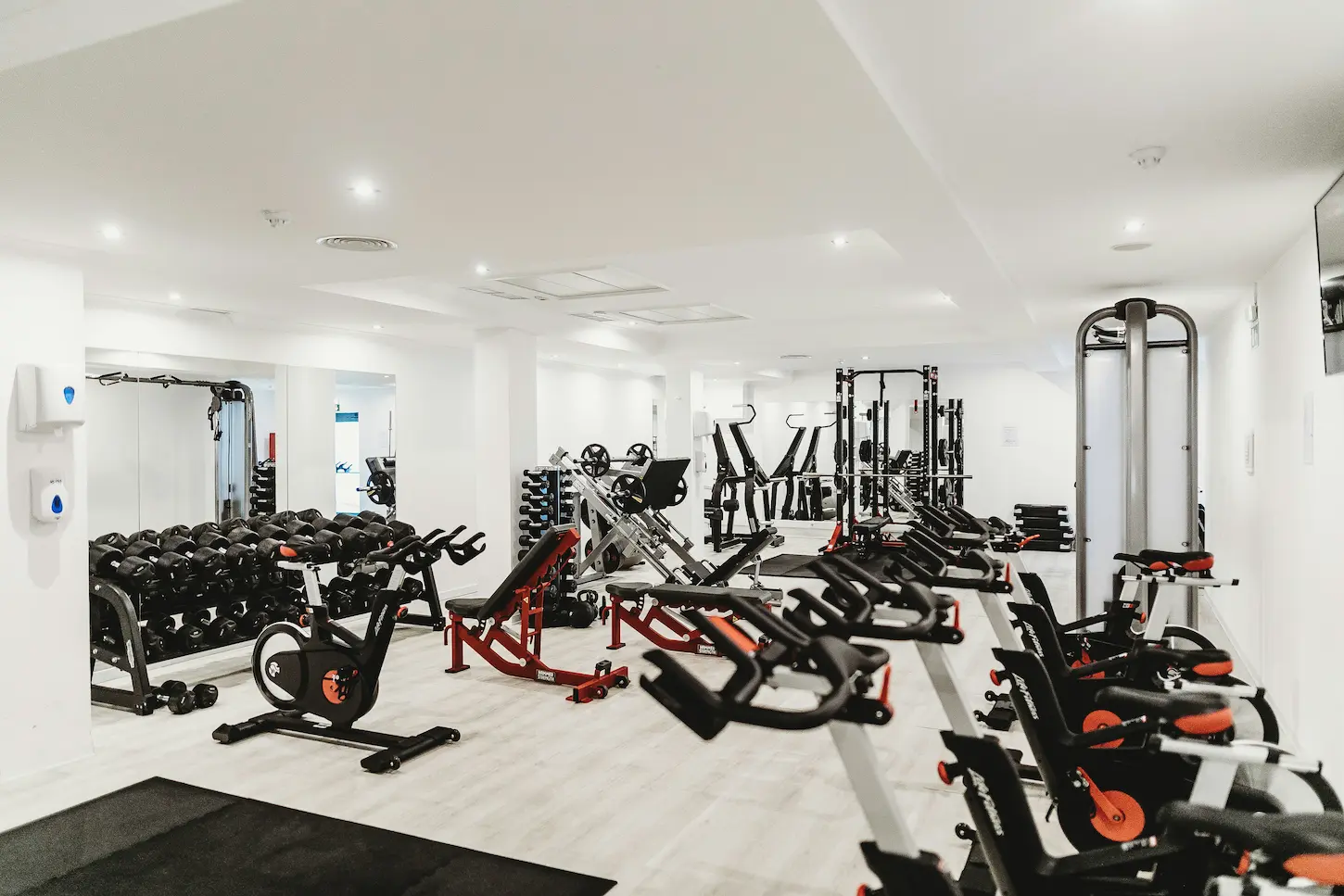
Boutique gym startup costs are the full set of expenses involved in getting a new fitness studio open and trading properly. That includes obvious items such as bikes, reformers, strength kit, changing room equipment and studio flooring. It also includes the costs many first-time operators underestimate, such as branding, sound systems, booking software, rent deposit, legal fees, insurance, marketing and enough working capital to carry the business until memberships build.
This matters because a boutique gym is rarely just an equipment purchase. It is a full launch project. A reformer Pilates studio, HIIT concept, spin studio or strength-led boutique site may all have different cost shapes, but the same pressure point usually appears: too much cash leaves the bank before the business is producing stable recurring income. That is where gym equipment finance, asset finance and, in some cases, wider funding through business loans come into the conversation.

How does boutique gym startup finance work?
Step 1: build the real launch budget. That means more than getting a single equipment quote. List the core asset spend, the fit-out items, the software and the working capital you need for the first few months. If you only price the bikes or reformers and ignore everything around them, you will underfund the project.
Step 2: separate hard assets from softer costs. Lenders usually like tangible items they can identify on a supplier quote. Cardio kit, strength machines, reformers, rigs and some installed studio assets tend to fit better than rent deposits, launch wages and marketing spend. This is often where a mix of hire purchase, finance lease and broader business funding becomes useful.
Step 3: present the business case. The lender wants to understand who is behind the gym, what experience they have, where the site is, how memberships will build and whether the monthly payments look sensible against the expected income. A startup proposal backed by a realistic plan is much easier to place than one built around ambition alone.
Step 4: once approved, the lender pays the supplier for the funded assets and the business repays over an agreed term. That lets the studio open with the right equipment while keeping more cash available for launch activity, staffing and early trading.
Who is boutique gym startup finance suitable for?
This type of funding is suitable for founders opening a first boutique studio, operators launching a second site, personal trainers moving into a fixed location and fitness businesses broadening into premium concepts such as reformer Pilates, boutique strength, spin or functional group training. It can also fit franchise-led operators where the business model is proven but the launch still requires a serious upfront spend.
It is strongest when the operator has clear sector experience, a sensible launch budget and a realistic view of how quickly members will build. New businesses can absolutely be considered, but they should expect closer scrutiny than an established operator adding equipment to an already trading site. If the proposal relies on perfect revenue from month one or leaves no room for working capital after opening, the case becomes much harder. The businesses most likely to succeed are the ones that treat funding as part of the launch strategy, not as a last-minute fix.
What does boutique gym startup finance do for my business?
At its best, startup finance gives you control. Instead of pouring every available pound into launch spend, you can spread the cost of key assets and keep cash where it is often needed most: opening payroll, deposit pressure, launch marketing, software, utilities and the first few months of trading. That matters because membership businesses often need time to build to steady recurring income.
It also makes the launch more deliberate. Rather than cutting the spec to protect cash, a founder can usually secure the right quality of equipment and open with a stronger customer experience. In boutique fitness, that matters. Poor-quality bikes, too few reformers or a weak studio finish can damage retention before the business has had time to settle. Finance does not replace commercial discipline, but it can give the business room to launch properly, budget more predictably and grow without exhausting its cash at the start.
Benefits of boutique gym startup finance
- Preserves working capital: Instead of spending the full launch cost upfront, you spread the cost of major assets and keep cash available for the rest of the opening plan.
- Supports a better launch standard: You are less likely to compromise on key studio kit just to keep money in the bank. That can improve the customer experience from day one.
- Creates cleaner monthly budgeting: Fixed repayments are easier to plan around than repeated capital hits while the gym is still building membership.
- Allows mixed funding routes: You can compare gym equipment finance, asset finance and wider business funding depending on which costs are asset-led and which are softer.
- Helps expansion move faster: If the first site proves itself, a founder with a good funding structure is usually in a better position to look at a second location.
Things to consider
- Total cost matters: Spreading the cost protects cash flow, but the overall amount repaid will usually be higher than paying cash for the assets outright.
- Not every startup cost fits asset finance: Equipment, flooring and some installed items may be fundable, but rent deposits, early wages and marketing often need a different route.
- Monthly payments start immediately: The business needs enough headroom to service the funding while memberships are still building.
Boutique gym startup cost options compared
Hire purchase is often the first route owners look at when the core need is to fund long-life assets such as cardio kit, strength machines, reformers or larger studio packages. It usually suits businesses that expect to keep the equipment for years and want a clear route to ownership at the end. For a boutique gym, that can make sense where the kit is central to the concept and not likely to be rotated quickly.
Finance lease can be useful where the priority is protecting cash flow and keeping the monthly commitment as manageable as possible. It can also appeal when the operator wants more flexibility around the end of the term or expects equipment refresh decisions later. For fast-moving concepts where the brand experience matters, that flexibility can be commercially useful.
Asset finance as a broader category is helpful because it lets the business look at the funded items in a more structured way. Instead of treating the whole launch as one undifferentiated cost pile, it separates the hard assets from the softer items. That is often how a gym founder avoids trying to force the wrong costs through the wrong lender route.
Then there is the wider funding piece. A boutique gym launch often includes softer spend that sits outside a clean asset finance case. That is where business loans or other broader funding can be stronger. If the project includes branding, professional fees, launch marketing, deposits or general working capital, a wider facility may be needed alongside the equipment finance. In practice, many startup gyms are funded through a blend rather than a single product.
| Structure | Own it at end? | Monthly cost | Flexibility | Best for |
|---|---|---|---|---|
| Hire Purchase | Usually yes | Mid | Medium | Long-life gym equipment |
| Finance Lease | Usually no | Often lower | Good | Cash-flow-led launches |
| Asset Finance | Varies | Varies | Good | Hard asset packages |
| Business Loan | Not asset-linked | Varies | High | Softer startup costs |
Worked examples
Reformer Pilates launch
A new boutique reformer studio in Surrey needed a 12-bed reformer package, reception setup, mirrors and studio flooring. The operator funded the hard assets only and kept the rest of the opening budget in cash for staffing and launch marketing.
Finance amount: £68,000 | Term: 60 months | Indicative monthly payment: £1,374
The structure helped the studio open with the right spec without draining the cash needed to build memberships in the first quarter.
Second-site strength and conditioning studio
An established operator opening a second site needed rigs, plate-loaded machines, flooring, free weights and reception technology. They used a mix of asset-led funding for the equipment and retained working capital to cover the first three months of wages and member acquisition.
Finance amount: £112,000 | Term: 60 months | Indicative monthly payment: £2,228
The deal preserved launch cash and helped the owner open the second site without compromising the quality of the training floor.
Illustrative only, based on representative APR and subject to lender assessment.
What lenders look for
Lenders want to understand the operator, the equipment, the launch plan and the numbers. On a startup gym case that usually means the business plan, supplier quote, management background, deposit position and the amount of working capital still available after the funded assets are in place. They will also want comfort that the monthly repayments fit the expected cash flow rather than stretching it.
Trading history helps, but it is not the only factor. Plenty of boutique gym cases are startup-led, so the strength of the operator matters a great deal. Sector experience, a realistic membership ramp, sensible pricing assumptions and a clear understanding of the site all help. Clean, organised information also speeds the process up. If the quote is vague or the numbers only half-built, the lender has to work harder to get comfortable. A well-prepared application is very achievable, and it usually starts with clear cost planning rather than a rushed enquiry.
Check your eligibility in 2 minutes — no credit search at this stage. Check your eligibility.
Alternatives to boutique gym startup finance
Sometimes the better route is not pure equipment finance. If the biggest pressure in the project is not the machines themselves but the softer costs around the launch, a wider business loan may suit better. That can be especially true where the founder needs cover for deposits, marketing, opening payroll and a working capital buffer rather than just bikes, rigs or reformers.
There are also cases where the project is staged. A founder might use gym equipment finance for the training floor and keep a separate facility for the non-asset costs. That is often cleaner than trying to squeeze every part of the launch through a single lender structure. The best route depends on which costs are essential, which are fundable as assets and how much flexibility the business needs after opening.
Frequently asked questions
You might also find useful
How to finance gym equipment for a new studio launch
Read this guide →Equipment finance UK: a practical guide for growing businesses
Read this guide →How to prepare for a business finance application
Read this guide →If you want the live product view as well, compare this guide with gym equipment finance, asset finance, business loans, hire purchase, finance lease and examples on funding examples.